
Kansas Speeding Ticket Diversion Programs Who Qualifies, How to Apply and What to Know
A speeding ticket in Kansas can feel small at first, until the real costs start to show up. The fine is only one part of it. A conviction can affect your driving record, your insurance rates, and in some cases your license status.
For many drivers, a traffic diversion program offers a way to resolve the ticket without a conviction going on the public driving record. But diversion is not automatic, and Kansas does not use one single statewide program for every speeding ticket. The rules can change depending on whether the case is in municipal court, district court, or handled by a county or city prosecutor.
This guide explains how Kansas speeding ticket diversion programs usually work, who may qualify, where to look for applications in places like Wichita, Dodge City, and Topeka, what restrictions commonly apply, and what happens if you break the agreement.
This article is for general information only. Traffic laws and diversion policies can change, and local prosecutors have discretion. For advice about a specific citation, contact the court, prosecutor’s office, or a Kansas traffic attorney.

Kansas traffic diversion is local, not one statewide system
Kansas allows prosecutors to use diversion in certain criminal and traffic cases, but the details are usually handled at the local level. That means a speeding ticket in Wichita may have a different process than one in Dodge City, Topeka, Overland Park, Lawrence, Salina, or a rural county.
The first question is which court is handling the ticket.
A speeding citation may be filed in:
Municipal court
This usually applies when the ticket was issued under a city ordinance, such as a citation from a city police officer in Wichita, Topeka, Dodge City, or another Kansas city.
District court
This usually applies to county or state cases, such as citations issued by a sheriff’s deputy or the Kansas Highway Patrol.
A special local traffic docket
Some areas separate traffic cases into specific court divisions or online portals, but the key point is the same. The court and prosecutor listed on the citation control the process.
Kansas courts typically do not grant diversion on their own. Diversion is usually offered, denied, or negotiated through the prosecuting authority. In a city case, that may be the city prosecutor. In a county or state case, it may be the county attorney or district attorney.
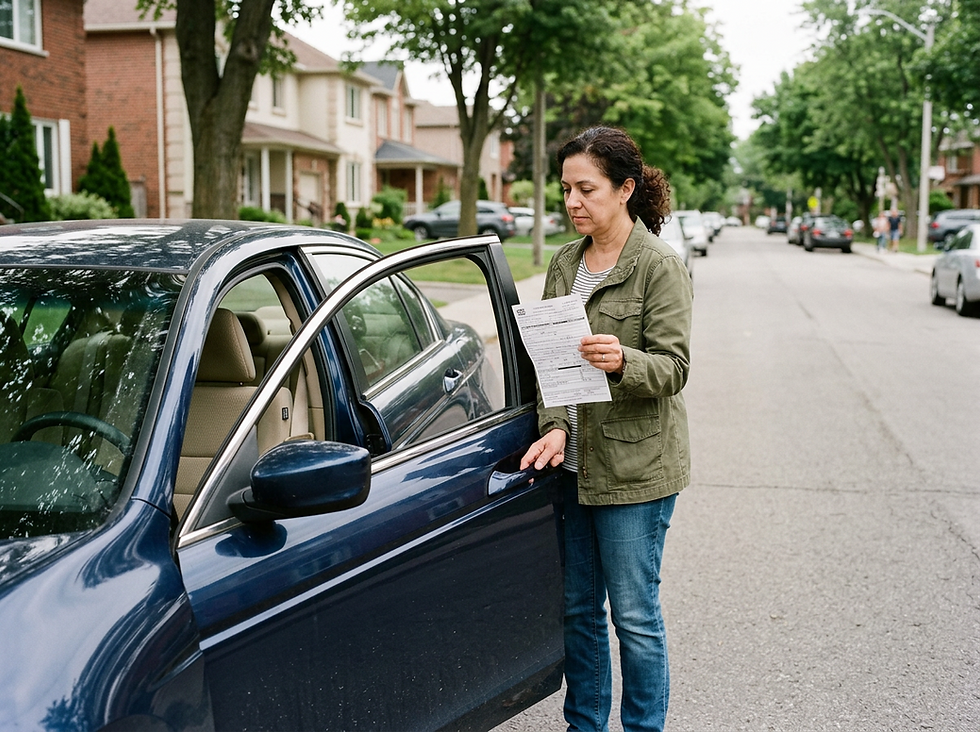
Because of that, the best starting point is always the citation itself. Look for:
The court name
The court address or website
The agency that issued the ticket
The appearance date
Any instructions about paying, contesting, or contacting the prosecutor
Paying the ticket without checking diversion first can matter. In many traffic cases, paying the fine is treated like a plea or conviction. If diversion is the goal, confirm the local process before paying.
Who can apply for speeding ticket diversion in Kansas
Eligibility depends on local policy, the facts of the ticket, and the driver’s history. Still, many Kansas traffic diversion programs look at the same basic factors.
A driver is more likely to qualify when the case involves:
A lower-level speeding offense
No crash or injury
No alcohol or drug allegation
No fleeing, reckless driving, or aggressive driving facts
A valid driver’s license
Current insurance, if required
A relatively clean recent driving record
No recent diversion or similar traffic deal
Some courts and prosecutors may also look at how far over the speed limit the driver was going. A citation for a few miles per hour over the limit is often treated differently than a high-speed violation in a school zone, construction zone, residential area, or near emergency workers.
Commercial driver’s license holders need to be especially careful. Federal and state rules place limits on masking certain traffic convictions for CDL holders. Many traffic diversion programs exclude CDL drivers, commercial vehicle cases, or serious moving violations. A CDL driver should not assume diversion is available or safe without checking the actual rules that apply to the case.
Common reasons a driver may not qualify include:
The ticket involved a crash
The alleged speed was too high for the local policy
The driver has too many recent moving violations
The driver has an active suspension or revocation
The citation involved no insurance or no valid license
The driver already used diversion recently
The case involves reckless driving, DUI, racing, eluding, or another serious charge
Diversion is also discretionary. Meeting the basic requirements does not guarantee approval. The prosecutor can deny an application, ask for more information, or offer different terms.

How to apply for a Kansas speeding ticket diversion program
The exact steps vary, but most Kansas traffic diversion applications follow a similar path.
Start with the court listed on the ticket
Use the citation to identify where the case is filed. Then check the court or prosecutor’s website, or call the clerk’s office and ask where traffic diversion information is located.
Use clear questions:
“Is diversion available for speeding tickets?”
“Who reviews diversion applications?”
“Is there an application form online?”
“Do I need to apply before my court date?”
“Should I avoid paying the ticket while the application is pending?”
“Are court costs or diversion fees due with the application?”
Court clerks can often explain procedure, but they usually cannot give legal advice. The prosecutor’s office is generally the place that decides whether diversion is available.
Complete the local application
A traffic diversion application may ask for:
Name and contact information
Citation or case number
Driver’s license information
Insurance information
Prior traffic history
Employment or school information
A statement accepting responsibility
Payment of an application fee, court costs, or diversion fee
Some offices may require a driving record. Others may pull it themselves. Some require an in-person visit, while others allow online, mail, or email submission.
Read the form carefully. Inaccurate or incomplete information can delay the request or lead to denial.
Wait for approval before assuming anything
Submitting an application does not mean the ticket has been diverted. The prosecutor must approve it, and the driver usually must sign a diversion agreement.
The agreement is the key document. It should state:
How long the diversion period lasts
What fees, fines, or costs must be paid
Whether a defensive driving course is required
Whether any new violations are prohibited
What happens if the driver violates the agreement
What happens after successful completion
Keep a copy of everything, including receipts, emails, course certificates, and the signed agreement.
Where to find diversion information in Wichita, Dodge City, Topeka, and other Kansas courts
Kansas does not have one master traffic diversion application for every city and county. The right place to look depends on where the ticket was filed.
Wichita
For a speeding ticket issued in Wichita, start with the Wichita Municipal Court or the City Prosecutor’s Office if the case is under a city ordinance. Wichita commonly handles many traffic citations through municipal court, but diversion availability and procedures can depend on the charge and driving record.
Look for traffic diversion information on the City of Wichita’s official website, municipal court pages, or city prosecutor pages. If the ticket was issued by the Kansas Highway Patrol or Sedgwick County law enforcement, the case may instead be in district court, so check the citation closely.
Dodge City
For Dodge City tickets, start with the Dodge City Municipal Court if the citation came from city police and lists municipal court. The city court or city prosecutor can explain whether a traffic diversion option exists and how to request it.
If the ticket came from the Kansas Highway Patrol or Ford County law enforcement, look to the Ford County District Court or the Ford County Attorney’s Office for diversion information.
Topeka
For tickets issued under Topeka city ordinances, check the Topeka Municipal Court and city prosecutor information. Topeka traffic cases may have local procedures for resolving eligible tickets, including possible diversion.
If the citation is filed in district court, check the Shawnee County District Court or the Shawnee County District Attorney’s Office. The citation should point you to the right court.
Other Kansas cities and counties
The same pattern applies across Kansas:
Read the citation.
Identify the court.
Find the prosecutor connected to that court.
Search that city, county, or court website for “traffic diversion,” “diversion application,” or “traffic ticket diversion.”
Call before the appearance date if the website is unclear.
For district court cases, the Kansas Judicial Branch website can help locate district courts and court contact information. For city cases, the city’s official municipal court page is usually the best starting point.

Common rules and restrictions in Kansas traffic diversion agreements
A diversion agreement is a contract with the prosecutor. The case is paused while the driver follows the rules. If the driver completes the agreement, the prosecutor usually dismisses the charge or avoids entering a conviction according to the local terms.
Common restrictions include:
No new traffic violations
Most agreements require the driver to avoid new moving violations during the diversion period.
Pay all required costs
This may include court costs, a diversion fee, the original fine, or administrative fees. The exact amount varies by local policy.
Complete a driving course
Some programs require a defensive driving class or traffic safety course. The agreement should say which courses qualify and the deadline for completion.
Maintain a valid license and insurance
Drivers may need to keep their license valid and show proof of insurance.
Comply with deadlines
Missing a payment deadline, course deadline, or review date can create a violation.
Avoid criminal conduct
Many agreements prohibit new criminal charges during the diversion period, not just traffic tickets.
The length of traffic diversion can vary. Some programs last a few months. Others may last longer. The written agreement controls, so do not rely on what a friend received in another city or county.
The biggest mistake is treating diversion like a simple payment plan. It is more than that. A driver must follow every term until the prosecutor or court confirms successful completion.
What happens if you violate a diversion agreement
If a driver violates diversion, the prosecutor may revoke the agreement and move forward with the original ticket. Depending on the terms, the driver may lose the benefit of dismissal and face conviction on the original charge.
Possible consequences include:
The speeding ticket goes back on the court docket
The prosecutor asks the court to enter judgment
The driver must pay remaining fines or costs
The violation appears on the driving record if a conviction is entered
Insurance consequences may follow
The driver may become ineligible for future diversion
Some agreements allow the prosecutor to proceed based on the driver’s earlier admission or signed statement. That can make it harder to fight the ticket later. Read the agreement before signing, especially any section about admissions, waiver of trial rights, and consequences of noncompliance.
If a problem comes up, such as a missed deadline or a new citation, contact the appropriate office quickly. Waiting usually makes the situation worse. Some prosecutors may allow a cure for minor issues, but they are not required to do so unless the agreement says so.

Benefits of completing a traffic diversion program
The main benefit of diversion is simple: successful completion may keep the speeding conviction off the public driving record. That can help avoid some of the longer-term damage that comes from a normal traffic conviction.
Potential benefits include:
Fewer points or record consequences, depending on how the jurisdiction reports the case
Lower risk of insurance rate increases compared with a conviction
Avoiding a moving violation on the public record
Protecting employment when driving history matters
Avoiding license problems for drivers with prior violations
Resolving the case without a contested trial
Diversion can also reduce stress. Instead of going to court to fight the citation, eligible drivers may be able to complete clear requirements and move on.
That said, diversion is not always the best choice. It may cost more upfront than simply paying the ticket. It may require a course, strict deadlines, and months without any new violations. If the driver has a strong defense, or if the ticket could affect a CDL, professional license, immigration status, or employment, legal advice may be worth getting before signing anything.
For many ordinary speeding tickets, though, diversion can be a practical middle path. It recognizes the violation while giving the driver a chance to avoid a conviction.
Final takeaway
Kansas speeding ticket diversion programs are local, rule-based, and deadline-driven. The most important step is to identify the court and prosecutor listed on the citation before paying the ticket.
For Wichita, Dodge City, Topeka, and other Kansas cities, start with the municipal court if the ticket came from city police. For county, sheriff, or Kansas Highway Patrol tickets, start with the district court or county prosecutor. Ask about eligibility, apply before the deadline, read the agreement carefully, and follow every term until completion is confirmed.
A speeding ticket does not always have to become a conviction. With the right timing and careful compliance, diversion may help protect your record and put the ticket behind you.
Comments